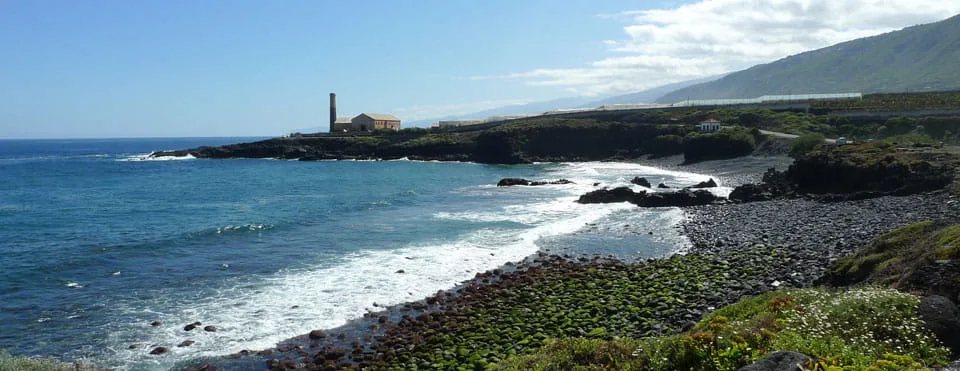
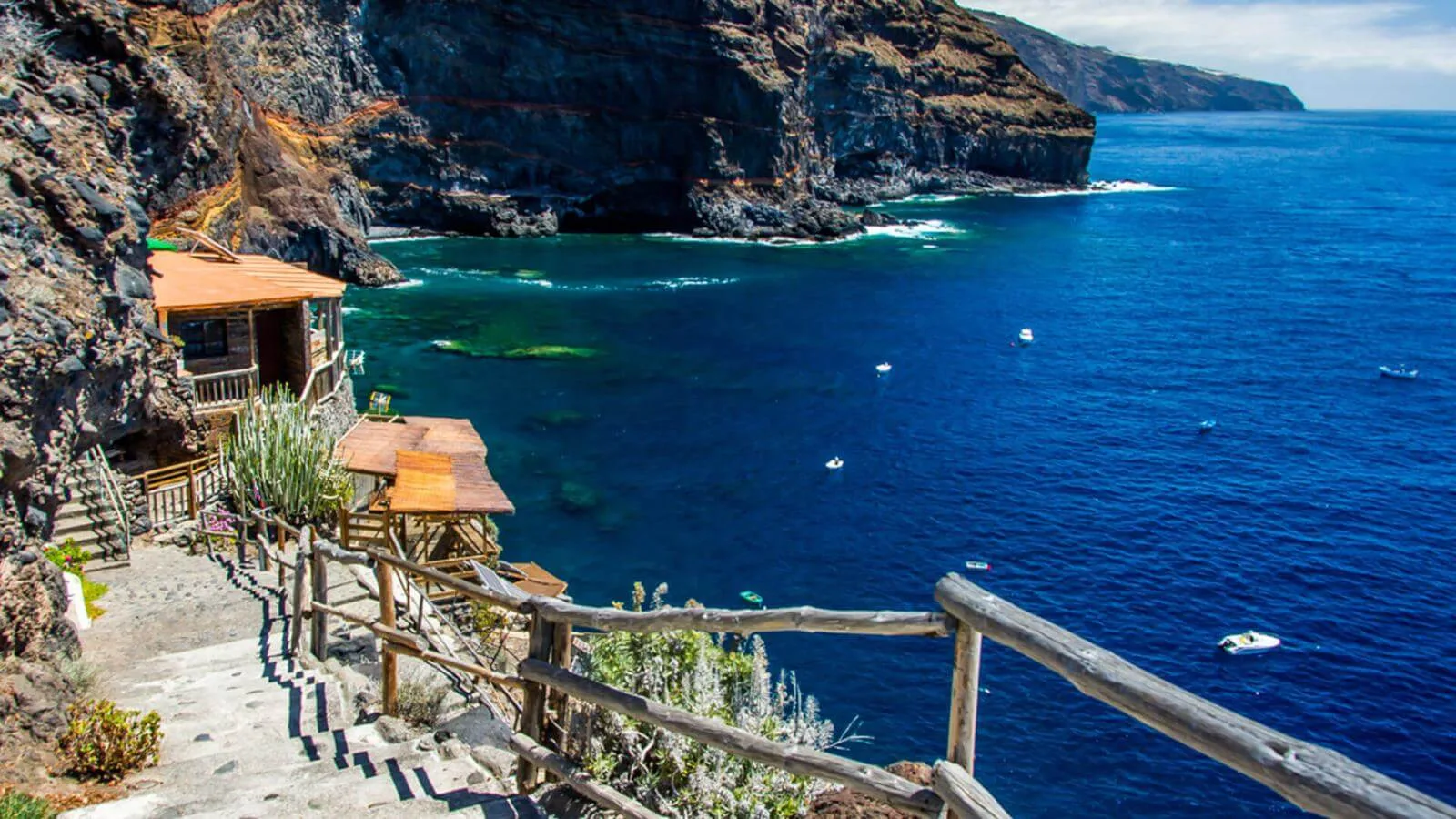
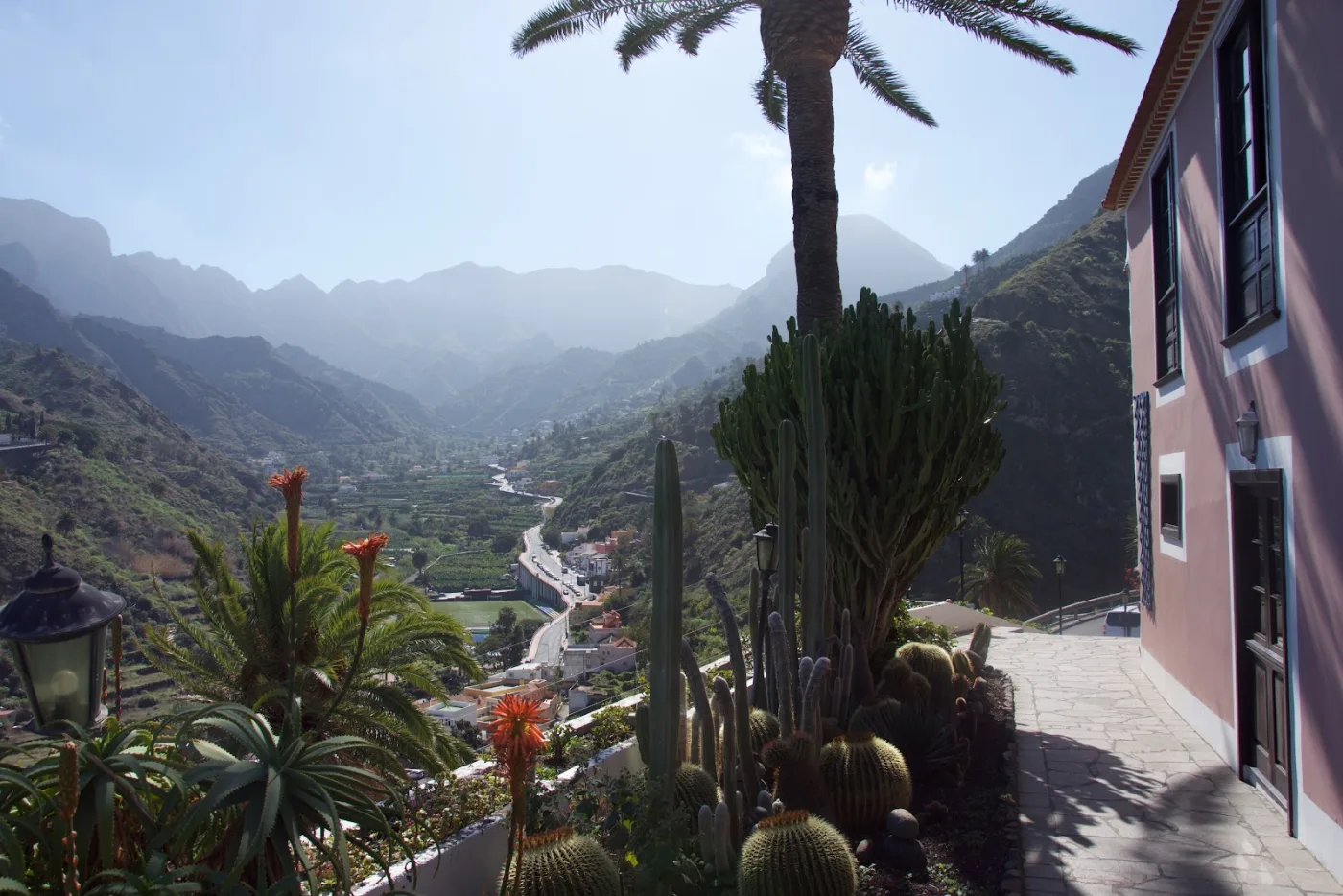
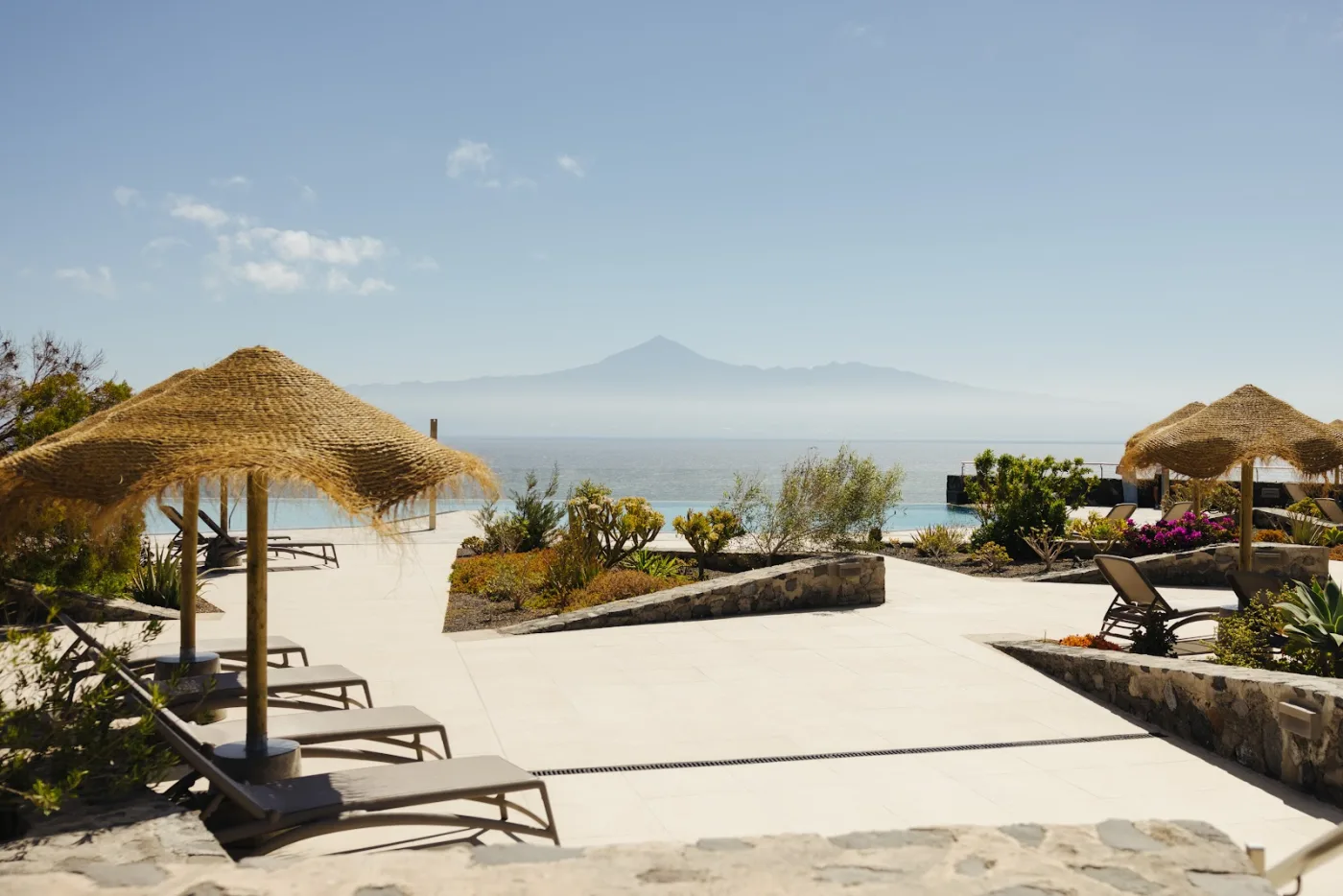
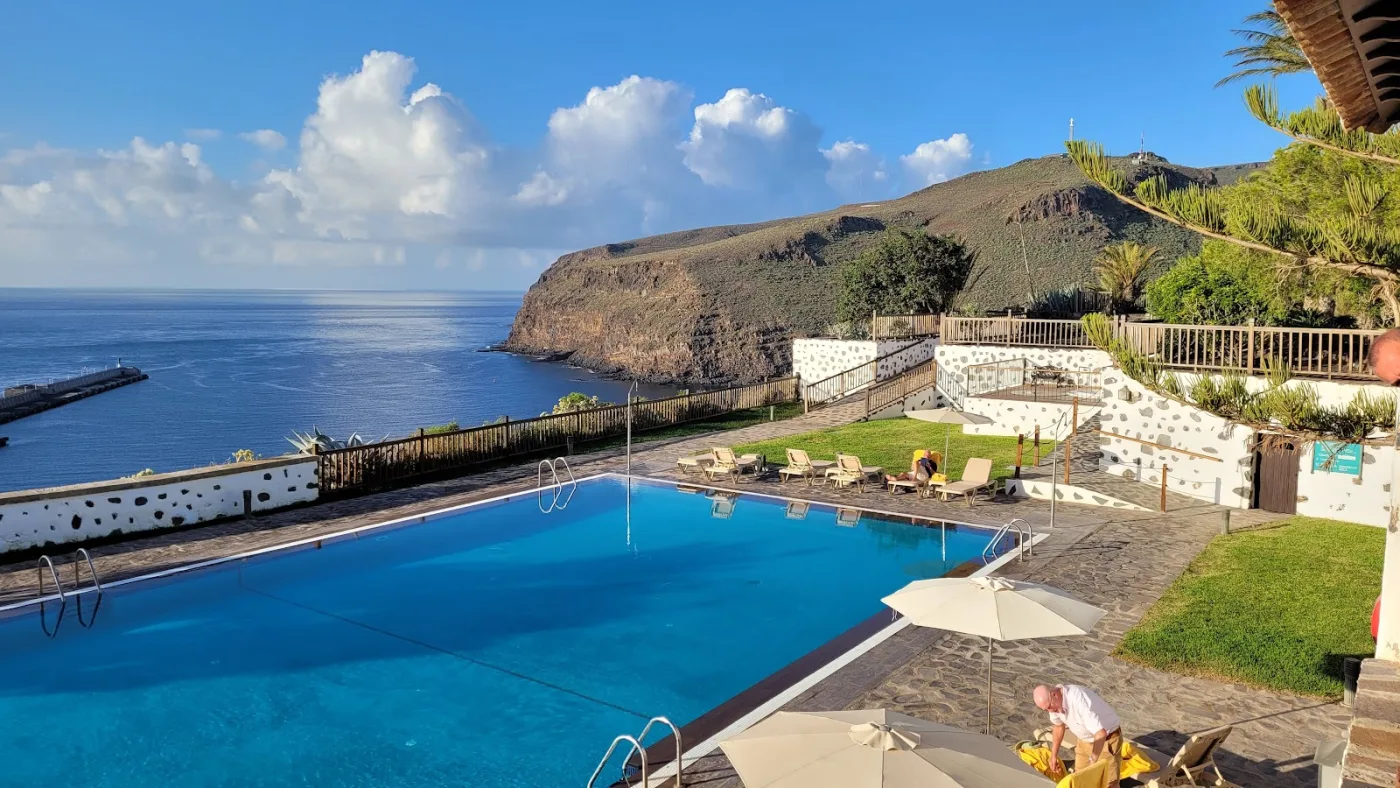
La Gomera, the smallest island in the Canary Islands archipelago, is distinguished by its spectacular volcanic relief and a natural environment of pristine beauty. Declared a UNESCO Biosphere Reserve, this destination in the heart of the Atlantic is an ideal refuge for travelers seeking authenticity and visually impactful landscapes.
Where to Stay
- Santa Cruz de La Gomera: Ideal for first-time visitors. It offers hotels, restaurants, and easy access to the port for boat excursions.
- El Valle de Arure: Perfect for relaxation. Quiet areas with high-level rural accommodations and spectacular views of the valley.
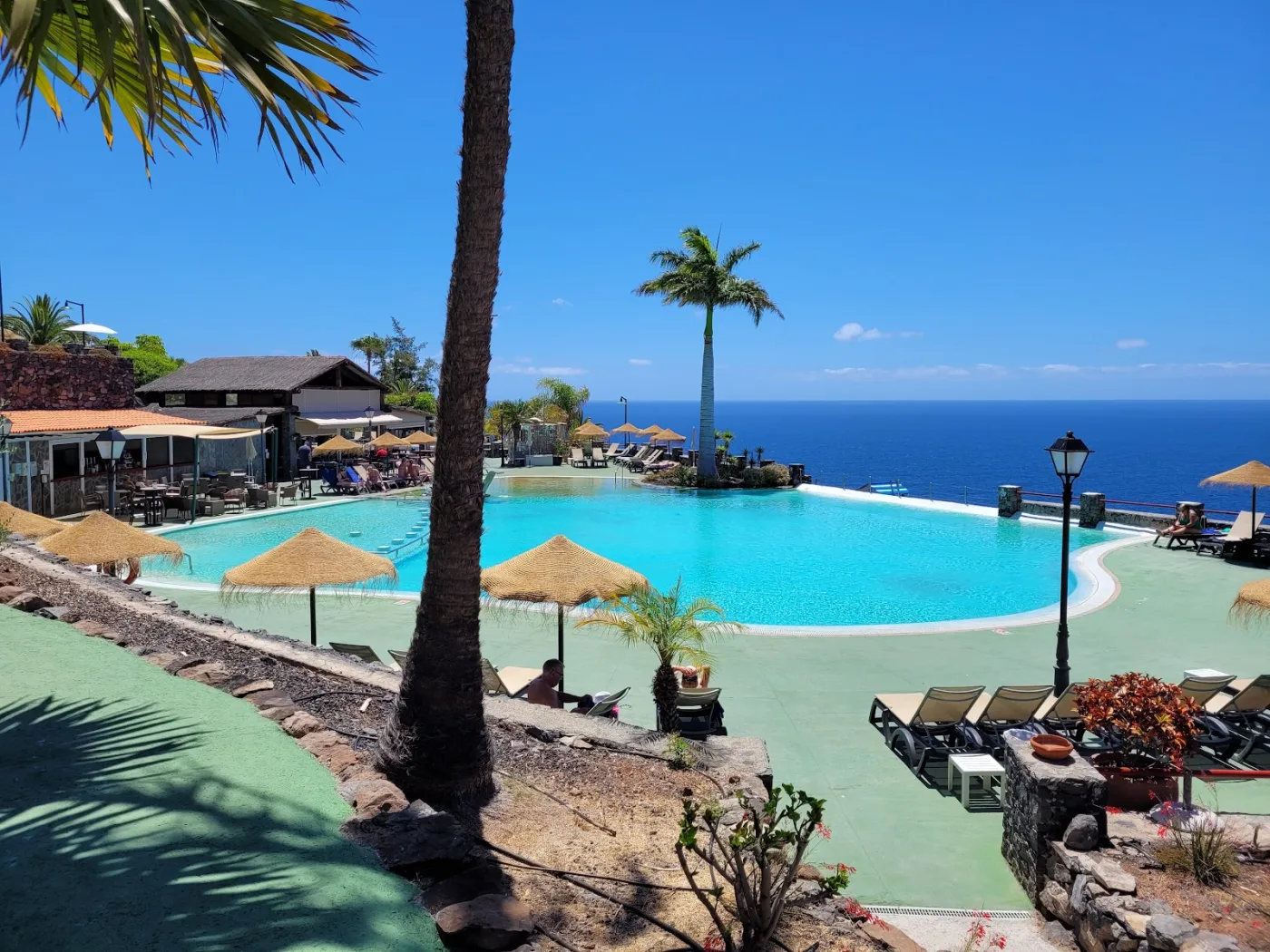
- Agulo and San Isidro: The best option for nature lovers. Seafront hotels and cabins in traditional Canarian houses for an authentic experience.
- Las Palmeras and Chipude: A destination for families and adventurers. Central accommodation near the beaches and the Tilos Forest Museum.
What to See and Do
- Explore the Teide National Park to admire volcanoes, caves, and lunar landscapes.
- Discover local culture in the town of San Sebastián, with its unique sunsets.
- Practice the 'silbo' (whistled language), the traditional Canarian whistle, in designated areas.
- Swim in pristine beaches such as Playa de Alajero or Valle de San Andrés.
- Explore biodiversity in the Ajó-Dañes Rural Park, featuring hiking trails and endemic flora.
- Enjoy Gomera's gastronomy: gofio, wrinkled potatoes, and fresh fish.
Practical Tips
- Wear comfortable and breathable footwear to hike the trails of Teide National Park.
- Rent a car; public transport is limited in rural areas.
- Don't forget sunscreen, a cap, and water, as the Canarian sun is intense year-round.
- Book in advance during peak season (July-August and Christmas) to avoid crowds.
- Try La Gomera cheese and gofio with mojo at local restaurants.
- Learn some words in the Gomera whistled language, declared Intangible Cultural Heritage by UNESCO.
- Bring light clothing and a jacket for the cool nights in the high peaks.